Forté IQ
How Data Centers Are Repurposing Excess Heat to Combat the Energy Crisis
Data Centers Repurposing Excess Heat
Pranay Kashyap, Marketing specialist
09:03, 20 March 2026
Symbiotic Data Center
For decades, the data center industry’s biggest inefficiency has been its necessary byproduct: heat. Nearly all the electricity consumed by servers- roughly 98% to 99%, ultimately transforms into waste heat. Historically, this energy has been viewed as a waste product to be exhausted into the atmosphere at a massive cost to both the operator and the environment. In a world defined by an energy crisis and the quest for Net Zero, this model is no longer sustainable.
The solution is the rise of the Symbiotic Data Center, a radical shift in architecture where waste heat is viewed not as a liability, but as a valuable, tradable commodity. By integrating facilities into local energy ecosystems, data centers are transforming from massive consumers into essential, sustainable utility partners.
For decades, the data center industry’s biggest inefficiency has been its necessary byproduct: heat.
The Physics of Waste
The Scale of the Resource
The total energy consumed by data centers globally is staggering, often accounting for 1% to 1.5% of global electricity use. For a large hyperscale campus drawing 100MW, the thermal output is equivalent to the heating needs of a medium-sized city. However, "heat" is not a uniform product; its value depends on its "grade."
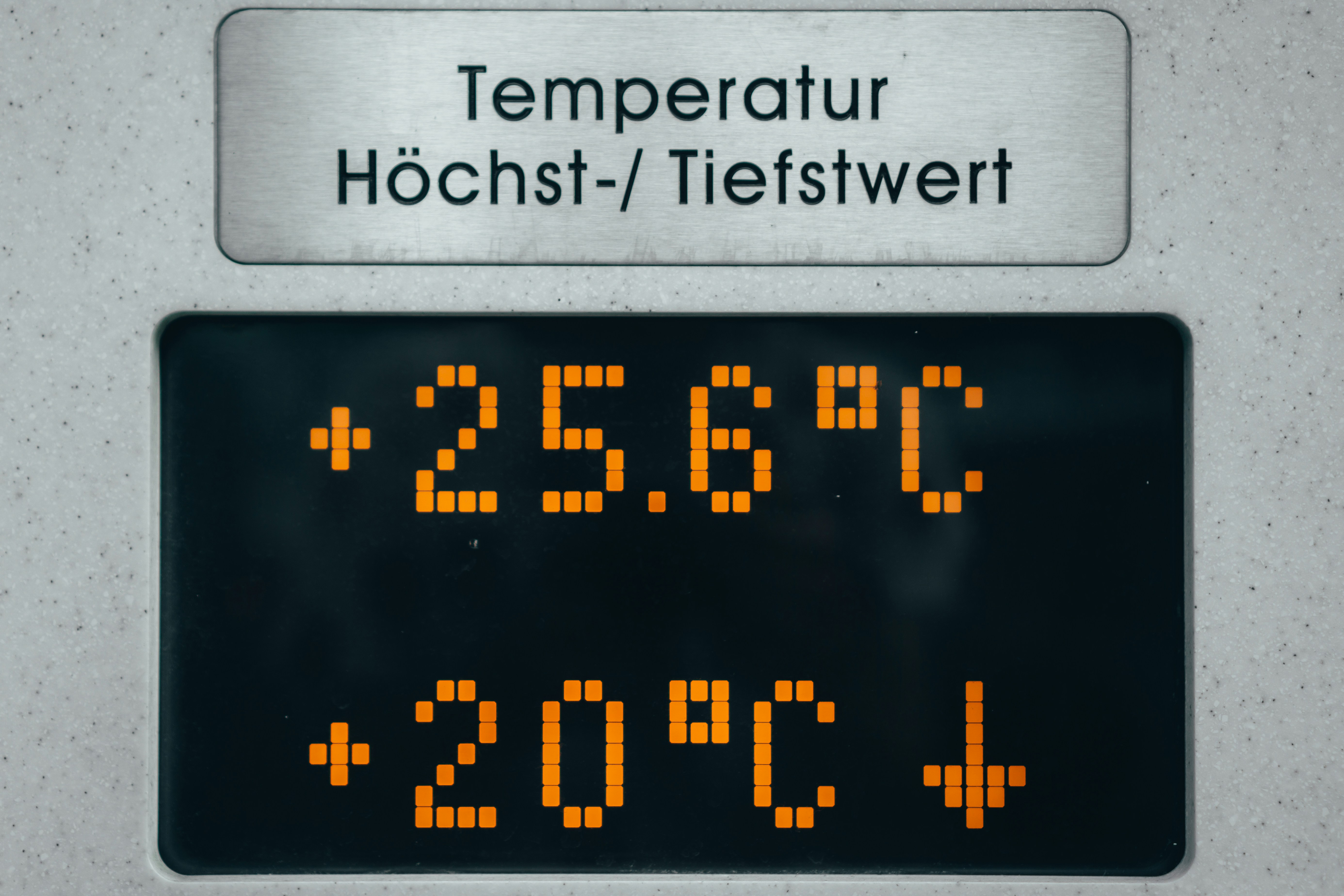
- Low-Grade vs. High-Grade Heat: Traditional air-cooled data centers produce "low-grade" heat, typically between 30°C and 40°C. This air is difficult and expensive to transport over long distances because its energy density is low.
- The Liquid Cooling Boost: The industry shift toward Direct-to-Chip (DTC) and Immersion Cooling is the primary enabler of heat reuse. Because liquids are significantly more efficient at capturing heat than air, these systems produce "high-grade" heat in the form of water or dielectric fluid at 50°C to 65°C. This higher temperature allows for more efficient heat exchange and permits the heat to be piped directly into industrial processes or residential networks with minimal energy loss.

The Symbiotic Model
Data Center as a Utility
The core concept of heat repurposing is simple: instead of routing hot water to an expensive, energy-hungry chiller plant, the data center routes it to a nearby consumer. This creates a "Circular Energy" model.
A. District Heating Networks (DHN): The Nordic Blueprint
This is the most established application, particularly in Northern Europe. Cities like Stockholm, Helsinki, and Copenhagen have extensive underground pipe networks that deliver heat to thousands of homes.
-
How it Works: The data center’s hot water loop passes through a heat exchanger at the facility’s edge. In some cases, industrial-scale heat pumps are used to "boost" the temperature of the water to the 80°C+ required by older municipal radiators.
-
The "Negative Cooling" Effect: When a data center exports its heat, it effectively reduces its own cooling load. In cities like Stockholm, data centers can achieve an Effective PUE (ePUE) of less than 1.0, because the energy used for IT is performing a "double duty" by also heating the community.
B. The Industrial & Agricultural Frontier
Beyond heating homes, data center heat is fueling a new wave of localized "Agri-Tech" and industry:
-
Vertical Farming and Greenhouses: In the Netherlands and Canada, data centers are being sited directly next to commercial greenhouses. By providing a constant, stable heat source, these facilities allow farmers to grow produce like tomatoes and strawberries year-round, even in sub-zero winters, without burning fossil fuels.
-
Aquaculture: Fish farms require precisely controlled water temperatures to optimize growth cycles. Data center heat-exchange systems are currently being used to warm tanks for salmon and shrimp farming in coastal regions.
-
Material Drying: Emerging use cases include using the consistent warm air from data centers for drying timber, textiles, or even certain industrial chemicals, replacing gas-fired kilns.

Proximity Problem
Overcoming the "Proximity Problem"
While the benefits are clear, the transition to symbiotic models faces two major technical hurdles:
- Spatial Matching: Heat cannot be transported efficiently over long distances. To be effective, the data center must be located within 1–3 miles of the heat consumer. This is forcing a shift in urban planning where data centers are being integrated into city centers rather than isolated in remote industrial parks.
- Temporal Mismatch: Data centers produce heat 24/7/365, but community heating demand fluctuates by season. To solve this, developers are integrating Thermal Energy Storage (TES)—massive insulated water tanks that store heat produced during the day for use during peak evening demand.
The Regulatory Push
Mandating Symbiosis
We are moving from a "voluntary" era of heat reuse to a "mandatory" one. In Europe, the Energy Efficiency Directive (EED) is beginning to require large data centers to conduct feasibility studies for heat reuse. In Germany, the Energy Efficiency Act specifically mandates that new data centers must reuse a certain percentage of their waste heat. This regulatory pressure is turning heat reuse from a "Sustainability PR" story into a fundamental requirement for securing building permits.
Conclusion: The New Metric of Success
The era of the isolated, heat-wasting data center is nearing an end. As power density increases and the energy crisis deepens, the ability of a facility to integrate into its local energy grid will become a defining metric of its economic health.
By harnessing its principal byproduct, the Symbiotic Data Center transforms heat from an expensive waste problem into a powerful solution for community resilience. In the AI era, the pursuit of maximum compute must go hand-in-hand with maximum thermal efficiency.
The era of the isolated, heat-wasting data center is nearing an end
Further Reading
Related insights
Expert analysis, market trends, and professional guidance from the world's leading data center specialists.

Data Center Career Path
Roles, Skills & Growth
Pranay Kashyap, Marketing Specialist

How Data Center Professionals Get Verified Globally
Building trust, credibility, and global career mobility
Pranay Kashyap, Marketing Specialist

Cybersecurity in AI Data Centers
New Threats and Defense Strategies
Pranay Kashyap, Marketing Specialist
Explore All Further Reading
Access comprehensive expert analysis, real-time market intelligence, actionable career guidance, and in-depth technical insights from DC Forté's global community of data center specialists, industry thought leaders, and Advisory Board members. New insights published weekly across careers, technology, market trends, and sustainability topics.
Ready to Lead, Not Follow?
Join the professionals who read it on Forté IQ first.
Trusted by 150,000+ data center professionals worldwide