Forté IQ
Digital Twins in Data Center Management
Modeling for Performance and Risk Reduction
Pranay Kashyap, Marketing Specialist
07:44, 05 March 2026
Digital Twin
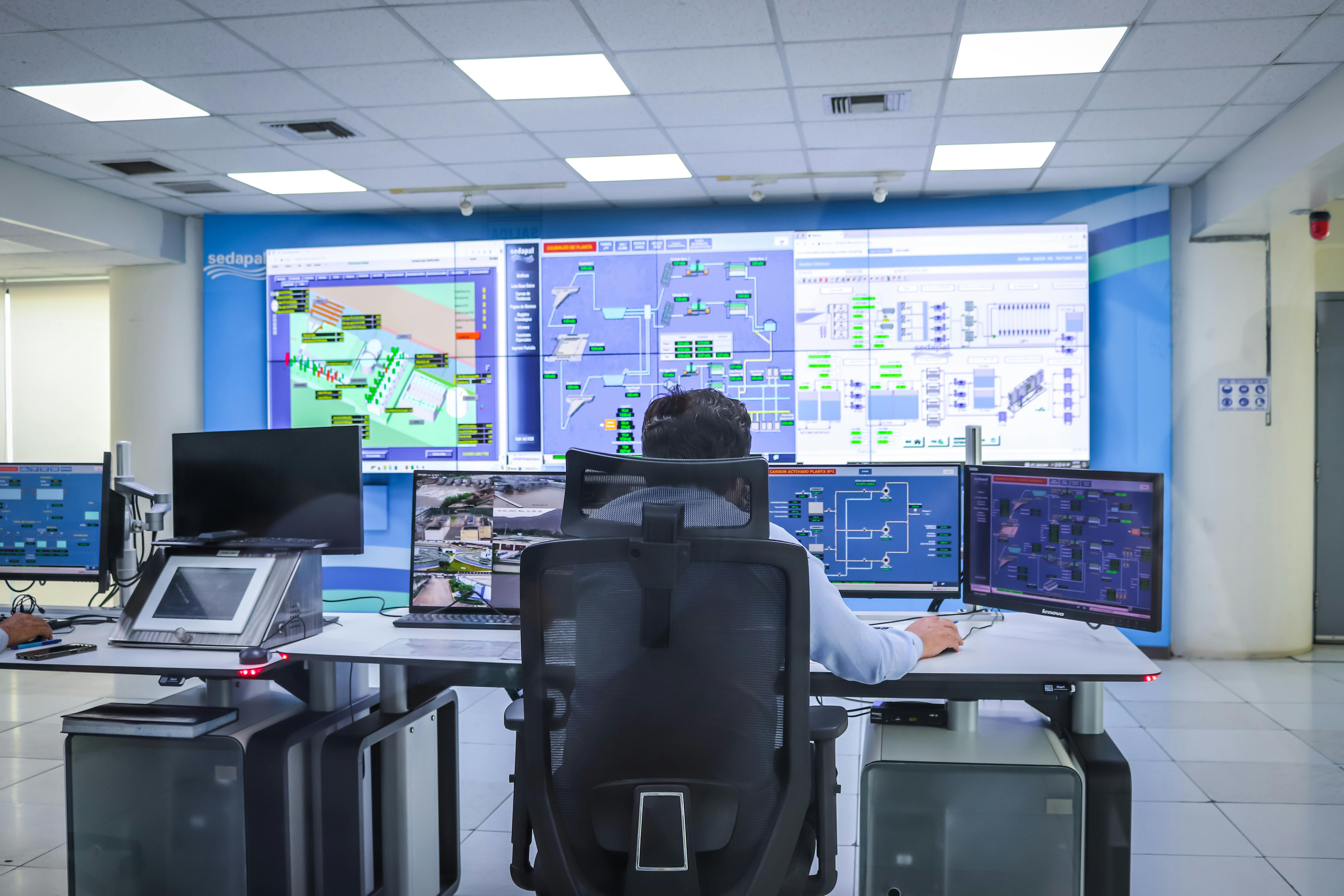
The modern data center has evolved into a hyper-complex ecosystem of interdependent systems. At any given moment,thousands of variables—from IT workload spikes and power distribution fluctuations to cooling plant efficiencies and external environmental conditions—interact in ways that are increasingly difficult to predict. Managing this complexity has reached the limits of human cognitive capability and traditional, reactive monitoring tools.
Enter the Digital Twin: a high-fidelity, virtual replica of a physical data center environment. Unlike a static 3D model or a standard dashboard, a Digital Twin is a dynamic, living simulation fueled by real-time telemetry. By bridging the physical and digital worlds, it provides a "crystal ball" for operators, enabling unprecedented levels of performance optimization and predictive risk mitigation.
The modern data center has evolved into a hyper-complex ecosystem of interdependent systems.
The Architectural Foundation
The Architectural Foundation: Beyond Static Modeling
A Digital Twin operates by creating a continuous feedback loop. It ingests high-frequency data from the physical facility and uses it to calibrate its virtual model, ensuring the simulation reflects the real-world operational state with millimetric and millisecond accuracy.
The Technical Stack:
-
Data Acquisition Layer: The twin serves as a central nervous system, aggregating data from disparate silos including Building Management Systems (BMS), Data Center Infrastructure Management (DCIM) platforms, and individual IT equipment via IPMI or SNMP protocols.
-
Physics-Based Modeling: This is the "brain" of the twin. It incorporates Computational Fluid Dynamics (CFD)to model airflow and liquid cooling behavior, thermodynamic principles to track heat transfer from the chip to the atmosphere, and electrical transient modeling to understand power sag and surge risks.
-
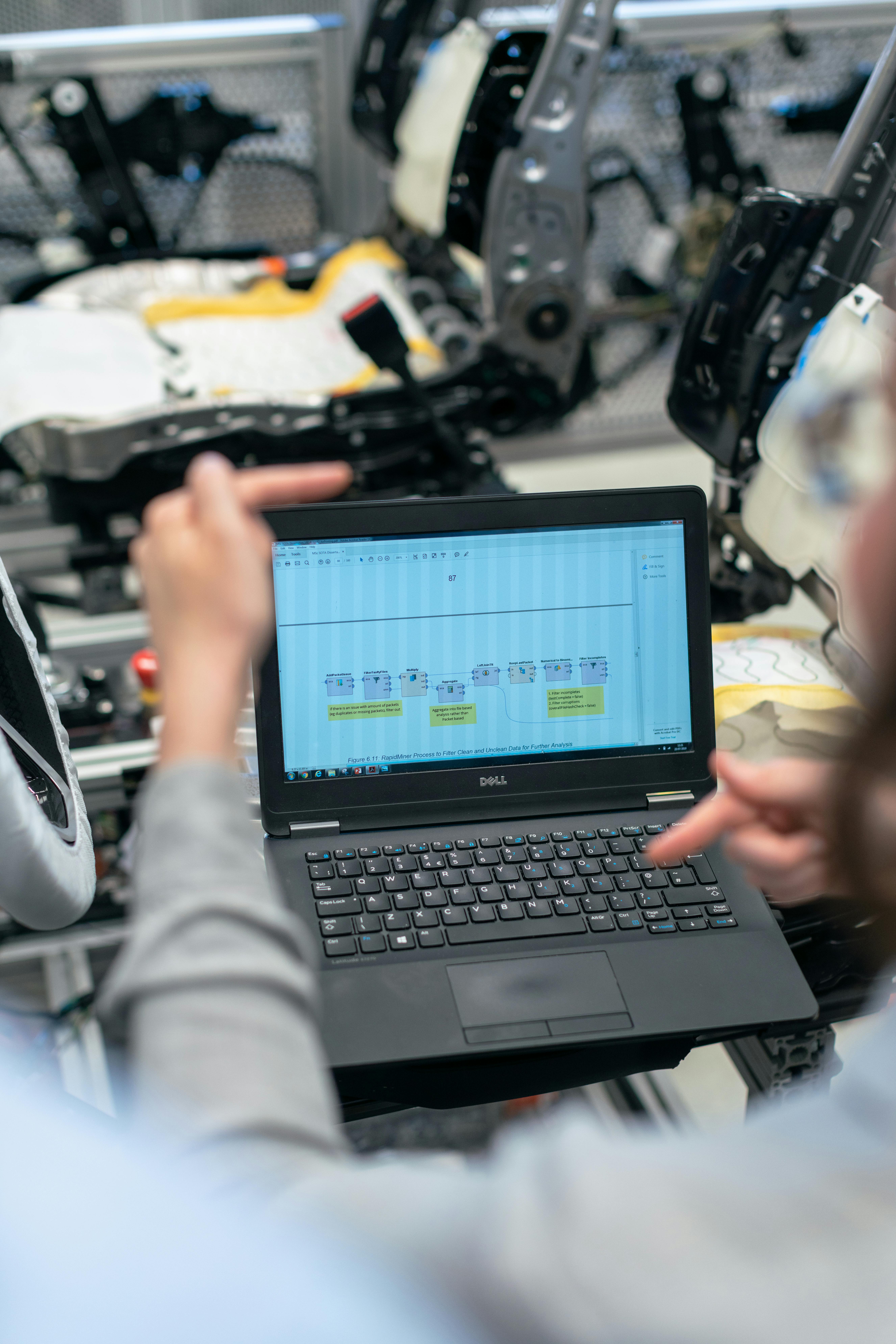
The AI/ML Simulation Engine: Machine learning algorithms run "shadow" simulations alongside the real facility.By comparing predicted outcomes with actual results, the AI learns the unique "thermal signature" and electrical idiosyncrasies of the specific building, allowing it to identify hidden interdependencies that a human operator would miss.
Modeling for Peak Performance
Modeling for Peak Performance: The Optimization Engine
The most immediate financial benefit of a Digital Twin is the ability to operate a facility closer to its design limits—the "edge of the envelope"—without crossing into the danger zone of hardware failure.
Thermal Precision and Cooling Optimization
In traditional management, operators often "over-cool" the data center to create a safety margin, wasting millions in energy costs. The Digital Twin enables a shift toward precision cooling. By running real-time CFD analysis, the twin can model the impact of moving a single high-density AI rack. It can identify "recirculation zones" (where hot air leaks back into the cold aisle) and eliminate them by suggesting precise adjustments to floor tile placement or CRAC (Computer Room Air Conditioning) fan speeds. This allows for higher chilled water set points, which significantly lowers the facility's Power Usage Effectiveness (PUE).
Dynamic Capacity Planning
Legacy capacity planning often relies on static spreadsheets that fail to account for the "stranded capacity" trapped by cooling or power bottlenecks. The Digital Twin allows for "Virtual Commissioning." Before a single server is unboxed,an operator can virtually "install" it in the twin to see how its heat plume affects neighboring racks and whether the current power whip can handle the transient start-up current. This maximizes the effective utilization of every square foot of white space.
Simulating for Risk Reduction
Simulating for Risk Reduction: The Ultimate "What-If" Machine
The Digital Twin transforms data center operations from reactive firefighting to proactive intervention. It allows operators to fail in the virtual world so they never have to fail in the physical one.
Advanced Failure Scenario Simulation
What happens if a primary transformer fails during a summer heatwave? Usually, we find out when it happens. With a Digital Twin, teams can run high-stakes "What-If" scenarios:
-
Cooling Failure Cascades: If a specific Cooling Distribution Unit (CDU) loses power, how many minutes do we have before the GPUs in Rack 42 reach thermal shutdown?
-
Generator Transition Risks: How does the electrical frequency stabilize when transitioning from the grid to onsite BESS (Battery Energy Storage Systems) under a 90% load?
-
Blast Radius Analysis: If a specific circuit breaker trips, which secondary and tertiary systems are unexpectedly impacted due to undocumented cross-connections?
Predictive Maintenance and Component Health
By observing tiny deviations—a pump vibrating 2% more than its baseline or a power supply showing a marginal increase in harmonic distortion—the AI engine uses the twin to forecast failure windows. Instead of "calendar-based" maintenance (replacing parts because it's been six months), facilities can move to condition-based maintenance,replacing components only when the twin predicts an imminent failure, thus saving costs and reducing human-introduced error.
Design
Design and Lifecycle Validation
The utility of the Digital Twin begins long before the first server is racked and continues through decommissioning.
-
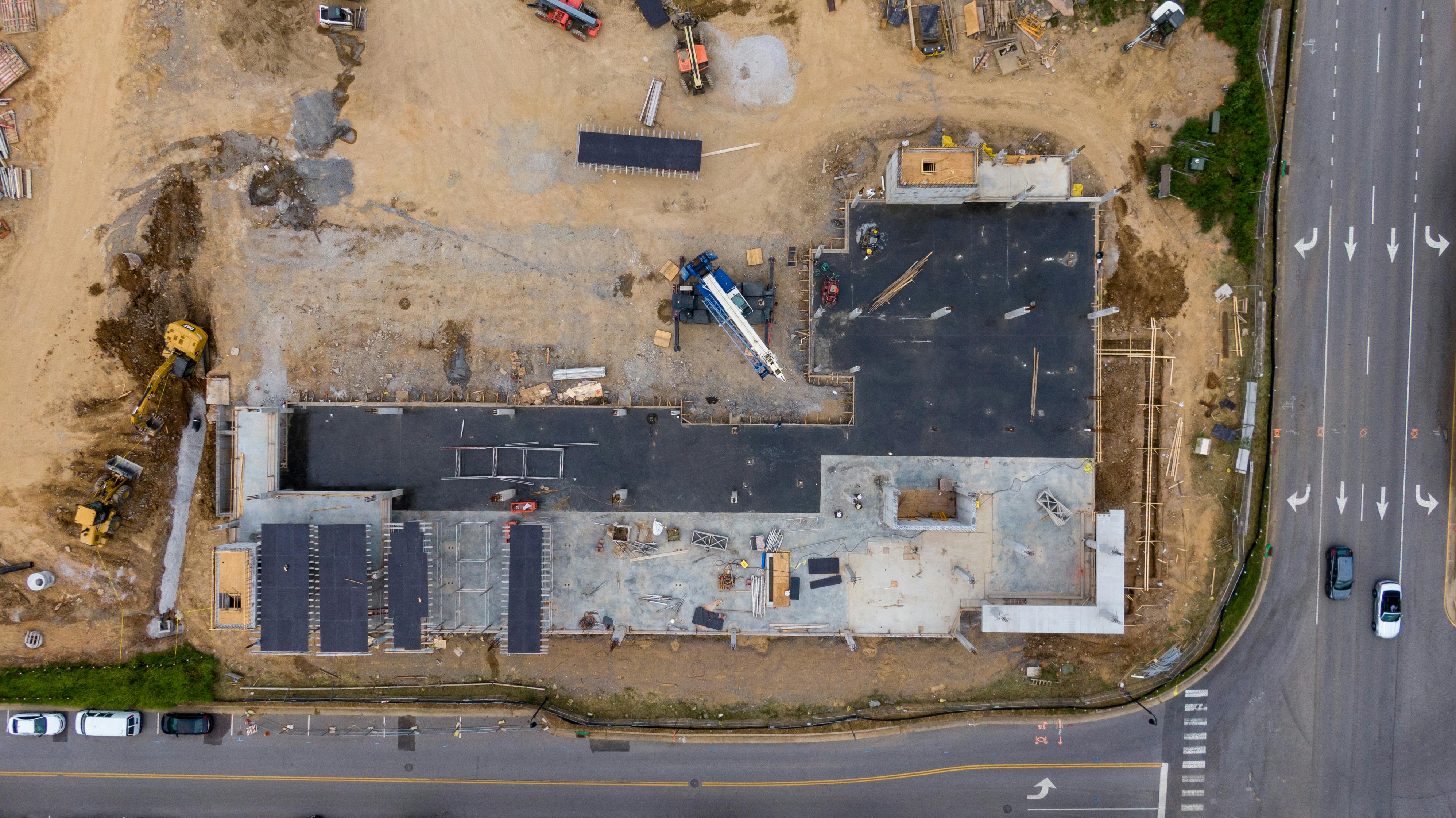
During Construction: The twin validates that the physical build matches the engineering intent. If a duct is placed three inches off-spec, the twin can immediately calculate the long-term impact on PUE.
-
Legacy Retrofitting: For older data centers being upgraded for AI workloads, the twin can model how new liquid-cooling loops will interact with aging legacy air-cooling systems, preventing "thermal conflicts" that could lead to equipment damage.
Conclusion: The Mandatory Control Plane
As we enter the era of 100kW+ racks and hybrid power grids, the "walk-through" inspection and the static dashboard are no longer sufficient. The Digital Twin is evolving from a high-end novelty to the mandatory control plane for the modern enterprise.
By giving operators the ability to see through walls, predict the future, and test the impossible, the Digital Twin is the ultimate tool for achieving operational excellence. It ensures that in an increasingly digital-dependent world, the physical foundations of our data remain resilient, efficient, and profoundly reliable.
The Digital Twin is evolving from a high-end novelty to the mandatory control plane for the modern enterprise.
Further Reading
Related insights
Expert analysis, market trends, and professional guidance from the world's leading data center specialists.
Data Center Career Path
Roles, Skills & Growth
Pranay Kashyap, Marketing Specialist
How Data Center Professionals Get Verified Globally
Building trust, credibility, and global career mobility
Pranay Kashyap, Marketing Specialist
Cybersecurity in AI Data Centers
New Threats and Defense Strategies
Pranay Kashyap, Marketing Specialist
Explore All Further Reading
Access comprehensive expert analysis, real-time market intelligence, actionable career guidance, and in-depth technical insights from DC Forté's global community of data center specialists, industry thought leaders, and Advisory Board members. New insights published weekly across careers, technology, market trends, and sustainability topics.
Ready to Lead, Not Follow?
Join the professionals who read it on Forté IQ first.
Trusted by 150,000+ data center professionals worldwide