Forté IQ
Liquid Cooling
The Thermal Necessity for AI Data Centers
Pranay Kashyap, Marketing Specialist
05:24, 22 January 2026
Data Center Thermal Management
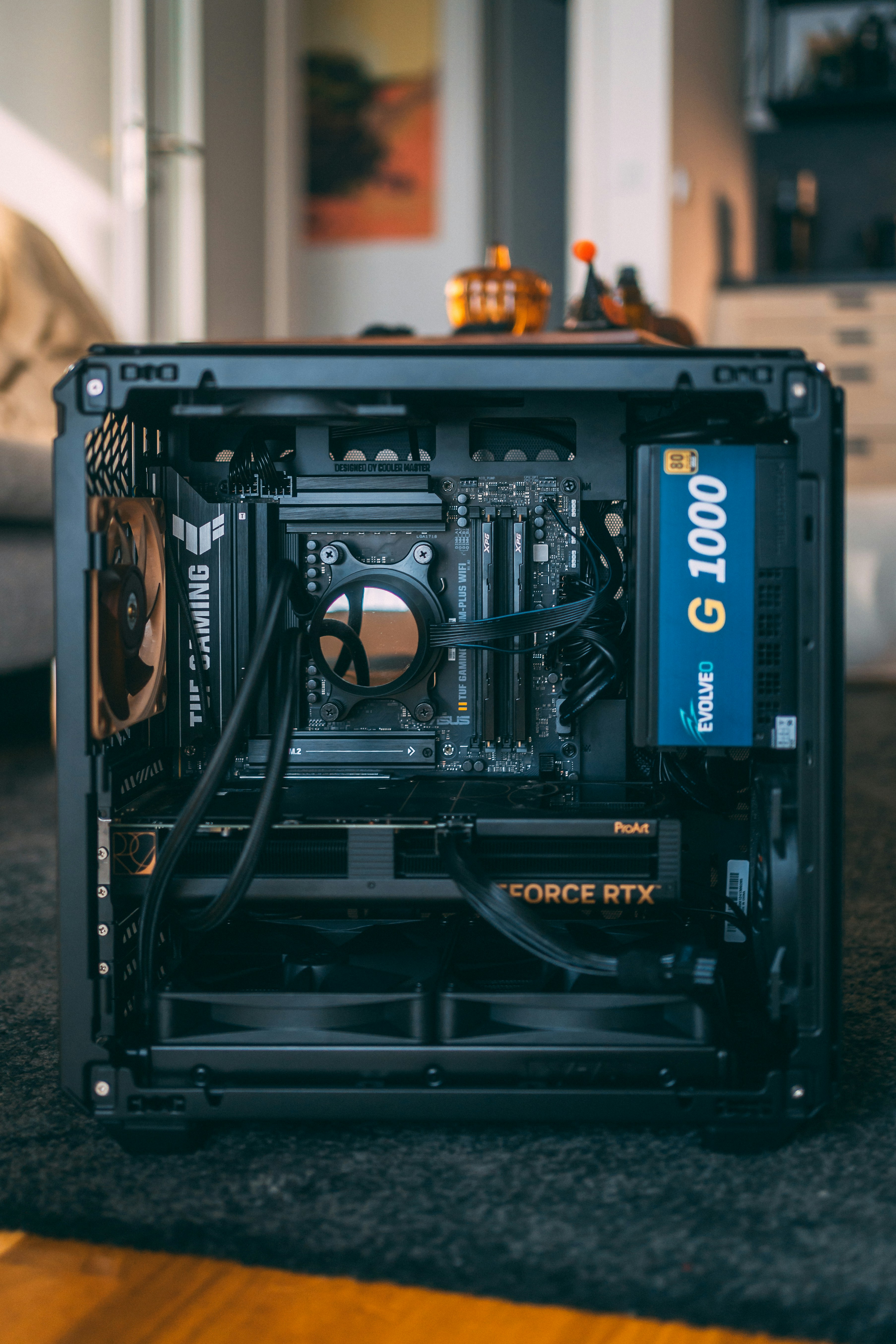
For decades, data center thermal management relied on a simple principle: move massive volumes of cold air through server racks. However, as 2025 brings the widespread deployment of NVIDIA Blackwell GB200 and AMD Instinct MI300X accelerators, processors are routinely breaching the 700W to 1,200W TDP (Thermal Design Power) threshold.
Traditional air cooling has hit a physical "thermal wall." Air is an insulator; it lacks the thermal mass to absorb the intense heat flux of modern silicon. By contrast, liquid cooling solutions are over 3,000 times more effective at heat transfer. With global data generation expected to hit 175 zettabytes this year, liquid is transitioning from a niche High-Performance Computing (HPC) luxury to a mandatory requirement for hyperscale AI factories.
For decades, data center thermal management relied on a simple principle: move massive volumes of cold air through server racks.
Direct-to-Chip (DTC) Cooling
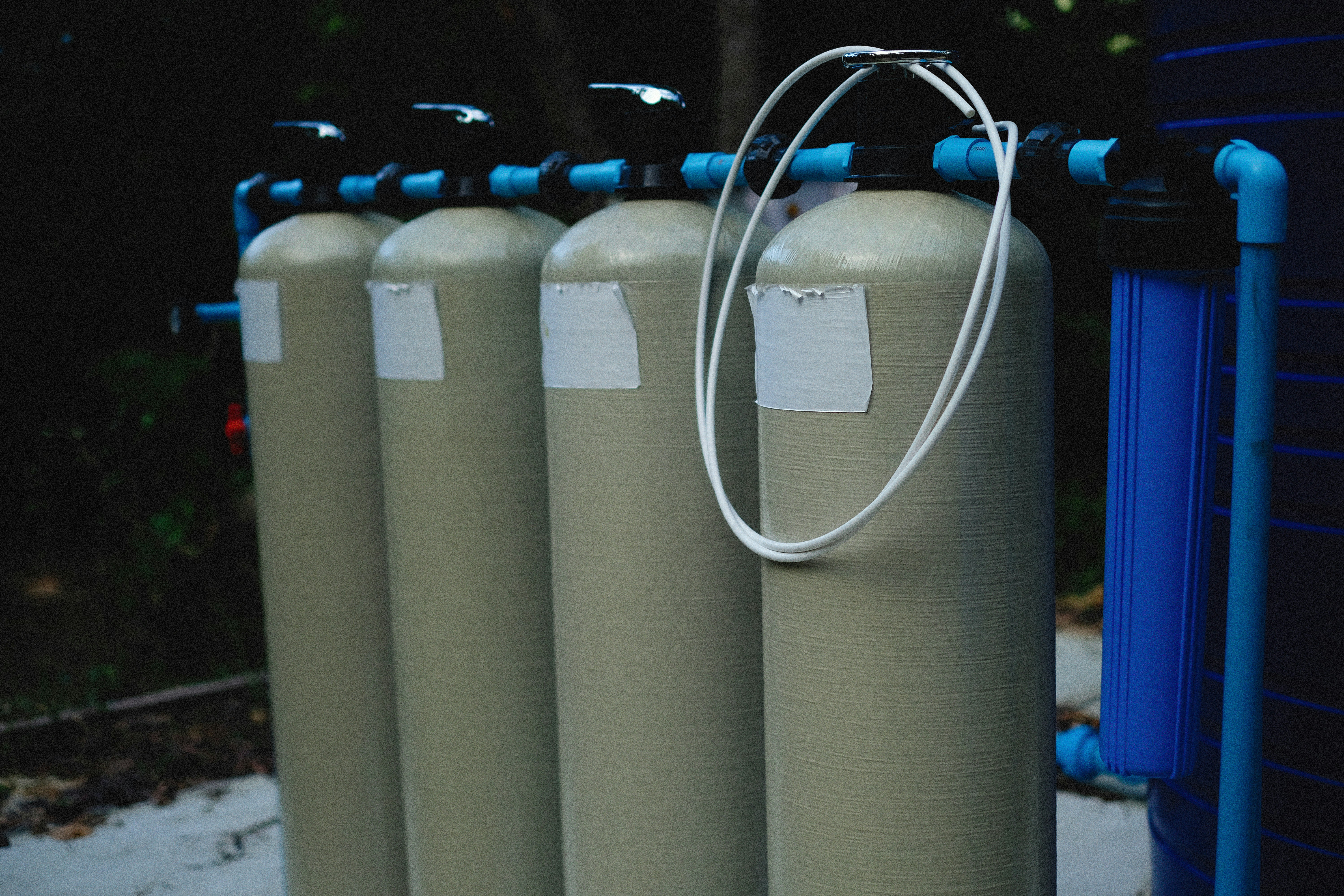
1. Direct-to-Chip (DTC) Cooling: The "Quick-Win" for AI Racks
Often referred to as cold-plate cooling, DTC is currently the leading solution, capturing over 42% of the liquid cooling market share in 2025. It is the primary path for enterprise data centers performing "brownfield" retrofits.
- Precision Engineering: Copper cold plates with internal micro-channels remove 70–80% of the heat load directly at the source (CPU/GPU).
- CDU Connectivity: The Coolant Distribution Unit (CDU) acts as the system's "heart," isolating the clean server-side loop from facility water.
- Performance Boost: By reducing chip temperatures by up to 20°C, DTC prevents thermal throttling. This allows AI clusters to maintain "Turbo" clock speeds, significantly reducing training times for Large Language Models (LLMs).
Immersion Cooling
2. Immersion Cooling: The 100kW+ Density Frontier
As rack densities climb from a 2022 average of 10kW toward 100kW–120kW per rack in 2025, immersion cooling has become the gold standard for extreme density.
A. Single-Phase Immersion
Servers are submerged in a dielectric fluid that remains liquid. It is circulated via pumps to an external heat exchanger.
- The Business Case: Companies like GRC and Submer have demonstrated that single-phase systems offer a lower Total Cost of Ownership (TCO) due to mechanical simplicity and zero fluid evaporation.
B. Two-Phase Immersion
This utilizes the latent heat of vaporization. The fluid boils at a low temperature (e.g., 50°C), turns to vapor, and condenses back into liquid.
- Efficiency: This phase change removes heat far more aggressively than liquid flow alone, making it ideal for Extreme-HPC environments, despite higher initial CAPEX for sealed tank infrastructure.
Sustainability
3. Sustainability: Solving the AI Power Crisis
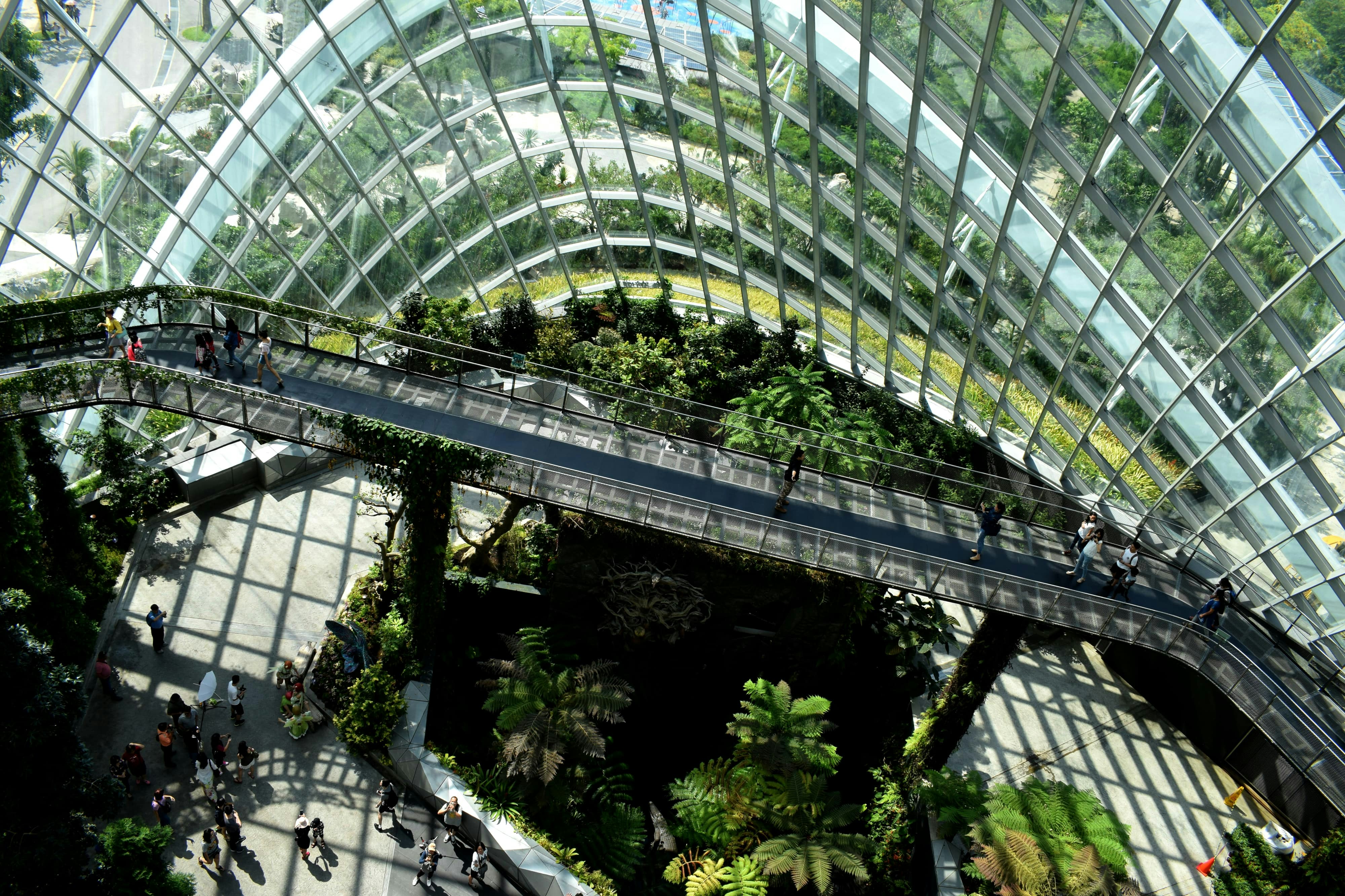
In 2025, data centers are projected to account for nearly 12% of U.S. electricity consumption. Liquid cooling is the most effective tool for meeting ESG (Environmental, Social, and Governance) mandates.
- PUE vs. TUE: While traditional air-cooled facilities struggle with a Power Usage Effectiveness (PUE) of 1.6, liquid-cooled sites are reaching 1.03 to 1.15. However, the industry is shifting toward Total Usage Effectiveness (TUE), where liquid cooling shows a 15% improvement in overall system efficiency.
- Water Conservation: AI-focused data centers can consume 5 million gallons of water daily. Closed-loop liquid systems eliminate the need for massive evaporative cooling towers, allowing for "water-positive" operations even in arid regions.
- Heat Reuse: In 2024, Google partnered with Danfoss to implement heat-reuse systems, proving that the waste heat from liquid-cooled racks can provide carbon-free district heating for local communities.
2025 Cooling Comparison Table
|
Metric |
Air Cooling (Legacy) |
Direct-to-Chip (Hybrid) |
Immersion (Next-Gen) |
|
Max Rack Density |
15 - 30 kW |
60 - 80 kW |
120 kW+ |
|
PUE Target |
1.5 - 1.8 |
1.15 - 1.25 |
1.03 - 1.05 |
|
Primary Use Case |
Legacy Enterprise |
AI Inference/Training |
AI Factories/HPC |
|
Water Usage |
High (Evaporative) |
Low (Closed Loop) |
Minimal |
Conclusion: The Era of the Liquid-Cooled Data Center
The data center liquid cooling market is expected to surge from $4.1 billion in 2024 to over $19 billion by 2030. We are moving toward a hybrid future: Direct-to-Chip provides the immediate scalability for current AI workloads, while Immersion Cooling serves as the blueprint for the massive AI factories of the late 2020s. For operators, the choice is no longer if they should adopt liquid cooling, but which architecture will best protect their silicon investment.
The data center liquid cooling market is expected to surge from $4.1 billion in 2024 to over $19 billion by 2030
Further Reading
Related insights
Expert analysis, market trends, and professional guidance from the world's leading data center specialists.
Data Center Career Path
Roles, Skills & Growth
Pranay Kashyap, Marketing Specialist

How Data Center Professionals Get Verified Globally
Building trust, credibility, and global career mobility
Pranay Kashyap, Marketing Specialist

Cybersecurity in AI Data Centers
New Threats and Defense Strategies
Pranay Kashyap, Marketing Specialist
Explore All Further Reading
Access comprehensive expert analysis, real-time market intelligence, actionable career guidance, and in-depth technical insights from DC Forté's global community of data center specialists, industry thought leaders, and Advisory Board members. New insights published weekly across careers, technology, market trends, and sustainability topics.
Ready to Lead, Not Follow?
Join the professionals who read it on Forté IQ first.
Trusted by 150,000+ data center professionals worldwide